When did we become gatekeepers of our own sport
Lets roll it back to 2018, It was just another Saturday group ride in a club I found out wasn’t for me, it didn’t look that way until I rolled into the parking lot wearing my favourite old club jersey for yesteryear, the sleeves a shade more faded than last season. I hadn’t paired it with matching bibs; my socks were “off brand.” My legs had hair and my glasses were not a known brand. I could tell some riders noticed. The glances were subtle, but they lingered a moment too long. Someone made a joking comment about “kit coordination,” and suddenly, I felt 10 years old again, standing at the edge of the playground wondering if I’d worn the right shoes.
We talk about how inclusive cycling is, how it’s “just about the ride,” but right there—before a single pedal stroke—I found myself worrying I didn’t look the part. When did it get like this? When did we all become the gatekeepers of our own sport?
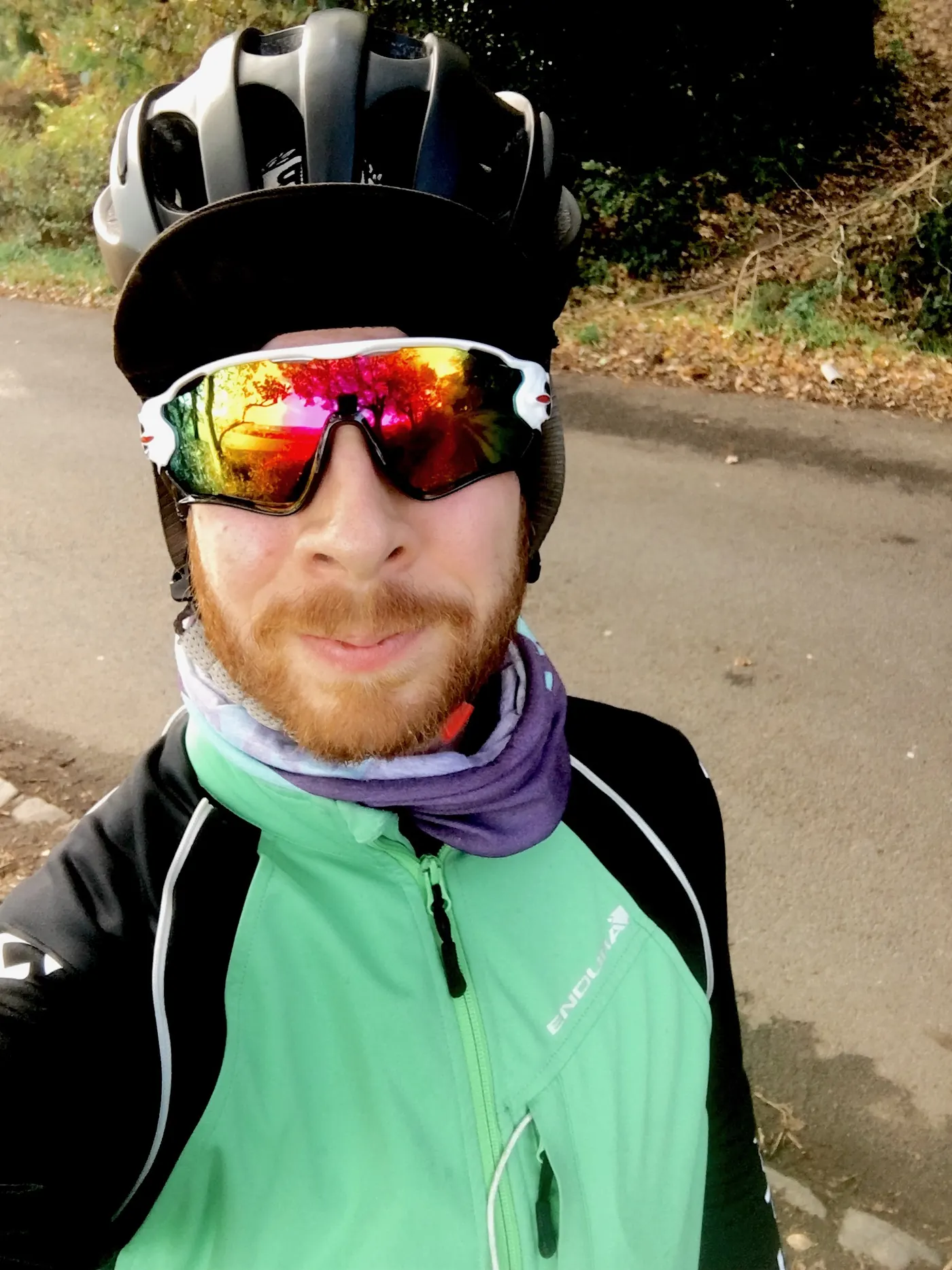
Cycling is supposed to be freedom a simple act: swinging a leg over the frame, pressing down on the pedals, and setting off with nothing on your mind but the next curve in the road. But somewhere along the way, we-yes, us, riders, enthusiasts, veterans of Sunday group rides started appointing ourselves as unofficial judges, guardians, even gatekeepers of our own sport.
When Did We Start Policing Who Belongs?
It’s hard to pinpoint the first moment when cycling became less about movement and more about measurement. Maybe it’s the tribalism that comes with any passionate pursuit; maybe it’s the weight of tradition. But look around at any start line, café stop, or social media thread, and you’ll see invisible gates everywhere. Did it start with Rapha and S Works bikes? we’re not here to point fingers, but thats when I started to notice it all.
There’s the glance up and down at someone’s kit: Are their socks the right length? Do those bibs match the jersey, or have they committed the cardinal sin of mixing brands? Worse yet, are they riding last season’s helmet, or—gasp—not even using one of the “approved” top-tier bikes?
Lets be honest, nobody of real sound and mind who loves this sport gives a f**k.
Theirs a New Barrier to Entry
The ways cyclists are assessed these days aren’t only about speed or distance. Now, it’s about owning the latest PNS or Maap kit, lightweight carbon, syncing a power meter to every ride, and keeping up with a constantly evolving list of “essentials.” The casual commuter, the rider on a budget, or anyone on a well-loved decade-old road bike can feel instantly out of place.
And that’s a pity because cycling wasn’t built on uniformity. The history of our sport is littered with outliers, innovators, rebels in mismatched kits, and riders who started with nothing but enthusiasm and a second-hand frame, just something to think about.
“The Rules” and the Rise of Judgment
Every culture has its “unwritten rules”—cycling has literal rules, I think my first encounter with it was when my old cycling club had a jersey with #️⃣Rule5, which means “harden the fuck up”, for context this stems from a website called “velominati” who list 95 rules of cycling.
Some satirical, others taken with surprising seriousness. They’re meant as inside jokes, but most are weaponised, turned into barometers of who’s “serious” and who’s “just playing.” Matching gloves matter more than the number of smiles per mile; electronic shifting is admired more than old-school grit.
This policing isn’t just style-driven. It’s about performance too: how far you ride, how fast you go, what kind of KOMs you chase on Strava. There’s always someone who did longer, faster, harder. And there’s always discussion—online and off—about what “counts” as real cycling.
Everyone Has Their Own Level
This is the most important thing in my eyes, This is the truth beneath all the trends and tech: Every single cyclist started somewhere. Entry isn’t at the top, it never has been. Maybe someone’s first bike came from a car boot market. Maybe their bib shorts were a gift or their pedals the cheapest available. None of it makes their experience less genuine.
Cycling should celebrate beginnings, not punish them. This sport is vast. There’s room for everyone: Whether you’re a weekend warrior in full team kit, a student on a hand-me-down hybrid, or a retiree rediscovering old roads. The only universal rule should be joy. If you’re riding, you belong.
It’s Not Just Cycling But We Feel It Deeply
And yes, this gatekeeping is not unique to cycling. Every sport—running, triathlon, swimming, team games comes with its own set of hurdles, insider jargon, and ever moving performance targets. But cycling, with its blend of solitude and community, tradition and innovation, seems to carry its own special intensity.
Isn’t it time we let that go? Embrace the variance? Admit that what really matters isn’t how sharp your kit is, but that you’re out there, covering ground under your own steam. That is cycling’s true magic.
Opening the Gates Again
The best rides are never about exclusion, they’re about discovery. About sharing a roadside coffee with a stranger who becomes a friend. About a kid on a BMX waving as you climb past, a new local joining your group with platform pedals, or someone dusting off an old mountain bike to chase the sunrise.
So the next time someone rolls up with mismatched socks, or their bike doesn’t make a gearhead drool, cheer them on. Remember: We all benefit when more people ride. We are stewards, not judges, of this sport and that was most likely us once upon a time.
If we truly love cycling, we keep the gates open. That’s how the wind stays in our faces, and the road no matter how steep truly belongs to us all.