Pelotan Sunscreen: A Deep Dive After a Week in the Pyrenees
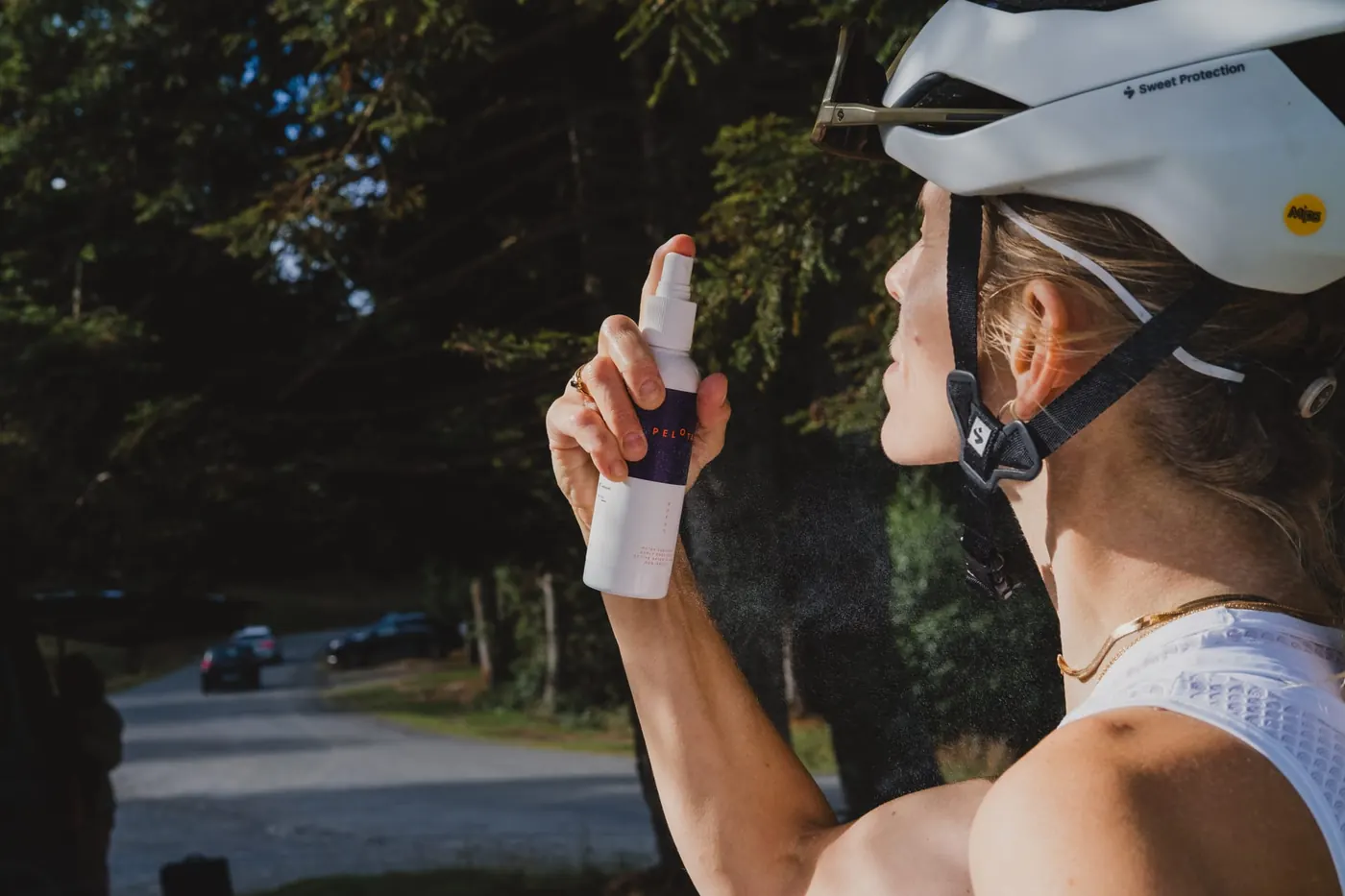
Riding in the Pyrenees offered the perfect test zone: long climbs above 1,800 m, exposed roads baked by intense sun, and every muscle pushing through sweat. We relied entirely on Pelotan SPF 30 spray and roll‑on during that week. This review explores how it performed, what it’s made of, how it feels and lasts, and what we’d change if we could take it again.
Why Pelotan Made the Cut
Pelotan markets itself as a cycling-specific, long-lasting SPF 30 product for athletes. The key claims: up to 8 hours protection, broad-spectrum UVA/UVB filters, sweat- and water-resistance, fast-dry, breathable formula and no greasy residue.
You can buy a 200 ml spray (about €25) and a 50 ml roll‑on (€13) in Spain. Both use the same formula. Those are the units we packed.
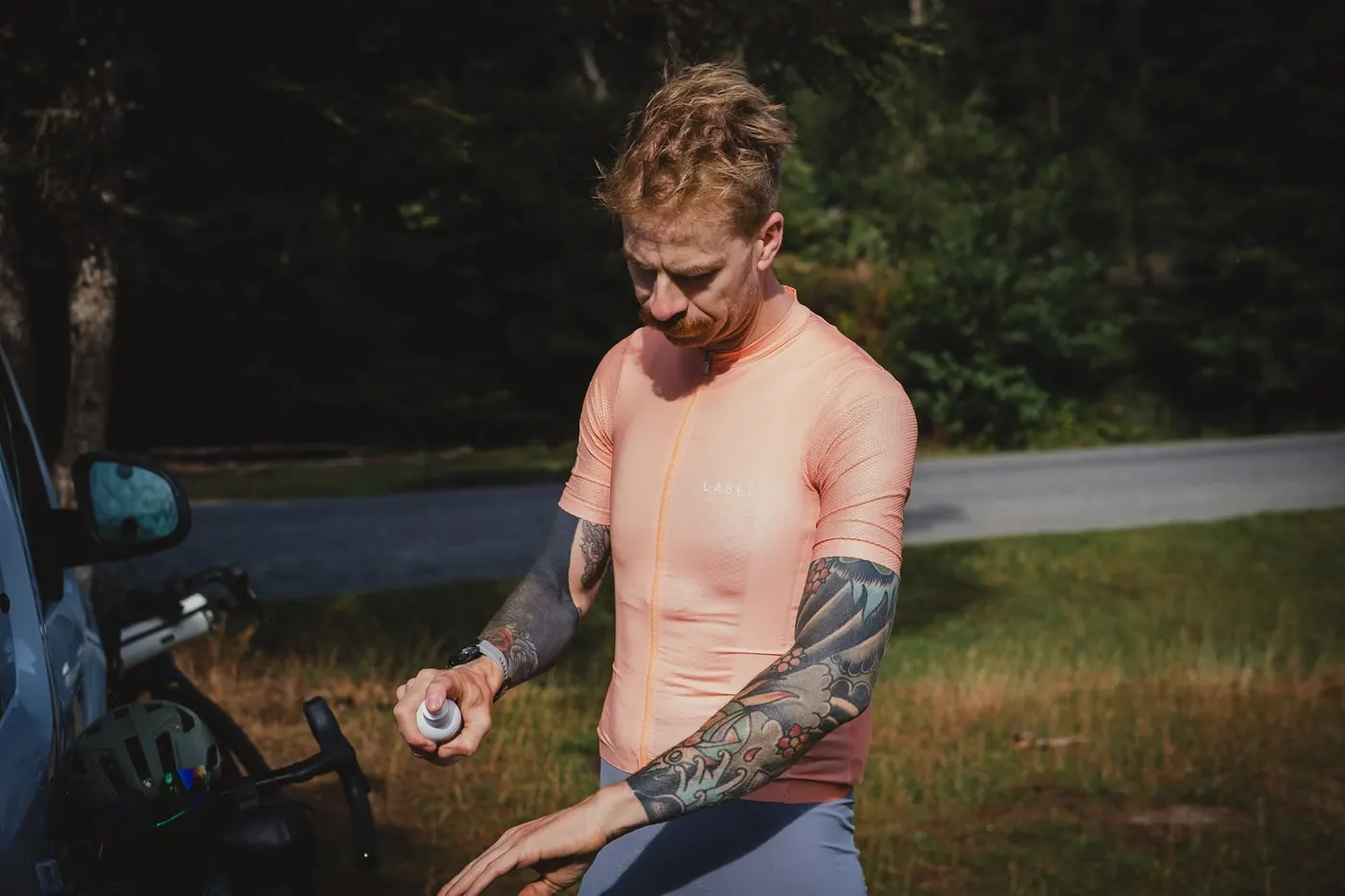
First Impressions: Application & Texture
You can spray on Pelotan while fully kitted or during kit‑up. It goes on dry, clear, and disappears in seconds. No white cast, no oily haze. That made our prep before rides fast and clean.
It didn’t stick to kit immediately after application, which meant no smudged bibs or sticky hoods. That stems from a thin, alcohol-based carrier that evaporates quickly.
During a hot afternoon climb at 2,200 m, the spray never felt heavy. It didn’t drip into eyes even when sweat streamed.
Staying Power: Did it Really Last 8 Hours?
Pelotan claims one morning application protects up to 8 hours, even with sweat or rain. We tested that.
Day 1: 5-hour ride, peak sun. No reapplication. No burning.
Day 3: Loop at altitude, no touch-ups. Burn-free.
Day 5: Mixed sun and drizzle. Applied once. No redness post-ride.
We covered arms, legs, face, neck, collarbones. None of us regretted skipping midday reapplication. The product held its SPF through heat, sweat, and occasional drizzle.
Roll-On: On-the-Fly Precision
The 50 ml roll‑on was great for touch-ups. One afternoon at a café, we realised helmet straps and ears needed attention. The narrow roll-on head made reapplication simple and mess-free.
It stayed sealed, didn’t leak, and didn’t clump. We liked carrying it in a pocket for nose bridge or ears.
Formula: What’s Inside?
Pelotan uses chemical filters common in EU sunscreens: octocrylene, avobenzone, homosalate. It also contains alcohol as a carrier, with emollients and skin conditioners like vitamin E or panthenol. Fragrance fades quickly.
Ingredients are reported as vegan, cruelty-free, and reef-safe. INCI list is not on the bottle.
Escran Sports Sunscreen Comparison
We brought along an Escran Sports SPF 50 for comparison. It offers thicker coverage, cream consistency, and higher SPF.
Escran was heavier on skin and took longer to apply.
It left a white sheen but it didnt cling to the kit.
It protected well but didn’t feel as breathable.
On fast descents after being sweaty it did get near our eyes, but we did not notice any sting.
Pelotan was faster, lighter, more ride-friendly, having a roll on for in the back pocket too was great. But Escran gave peace of mind for high-exposure days.
Strengths
Fast-drying: no residue or stick.
One-dose coverage: matched 8 hour promise.
Roll-on good for backup.
Kit stayed clean.
No stinging in eyes.
Weaknesses
SPF 30 only: not ideal for fair skin or all-day sun.
Invisible coverage: easy to miss spots.
Nozzle stickiness after days of use.
High price per ml.
Real Use Notes
"On climb day 2, sweat poured—no sting in eyes."
"Applied at 8 a.m., checked face at 1 p.m. No pinkness."
"Missed my ear. Reapplied roll-on during espresso break."
"No stick on bibs or jersey back."
Spray vs Roll-On
ScenarioBest OptionWhyFull-body morning useSprayCovers large areas quicklyMid-ride touch-upRoll-onPrecise and no messNose, ears, strapsRoll-onSmall-area correctionShared kit bagSprayEasy for group use
Use both. Spray for base layer, roll-on for top-ups.
What We’d Do Next Time.
Use mirror to check coverage, but given we were in our camper, its hard.
Rinse spray nozzle mid-week.
Use sleeves or buff in extreme sun or an SPF for the extreme days.
Bottom Line
Pelotan worked. It protected without mess or fuss. Our skin held up. Our kit stayed clean. Our rides stayed focused.
Pros:
Clean, fast application
Breathable and sweat-resistant
Lasts full rides
Easy to carry roll-on
Cons:
SPF 30 limit
Invisible spray needs careful checking
Occasional nozzle clog
Premium price
Would we bring it again? Yes.
Would we recommend it? Yes, for riders in full sun for hours (Let’s say Spain in peak summer) If you want maximum protection, I’m afraid your gonna have to look elsewhere.