Ultras: Where Time Stands Still
There's a particular feeling on a long haul flight that I've never found a proper word for. Somewhere over an ocean, hours in, you stop belonging to any time zone. Your watch says one thing, your body says another, the cabin says nothing at all. Meals arrive when they arrive. Nobody can reach you. The day you left and the day you'll land are both real, but you're in neither of them, you're in the gap, a little capsule of nowhere moving at 900 kilometres an hour, and after the initial restlessness something in you surrenders and goes quiet. Time doesn't pass up there so much as hold its breath.
I used to think that feeling only existed at altitude, in seat 34F.
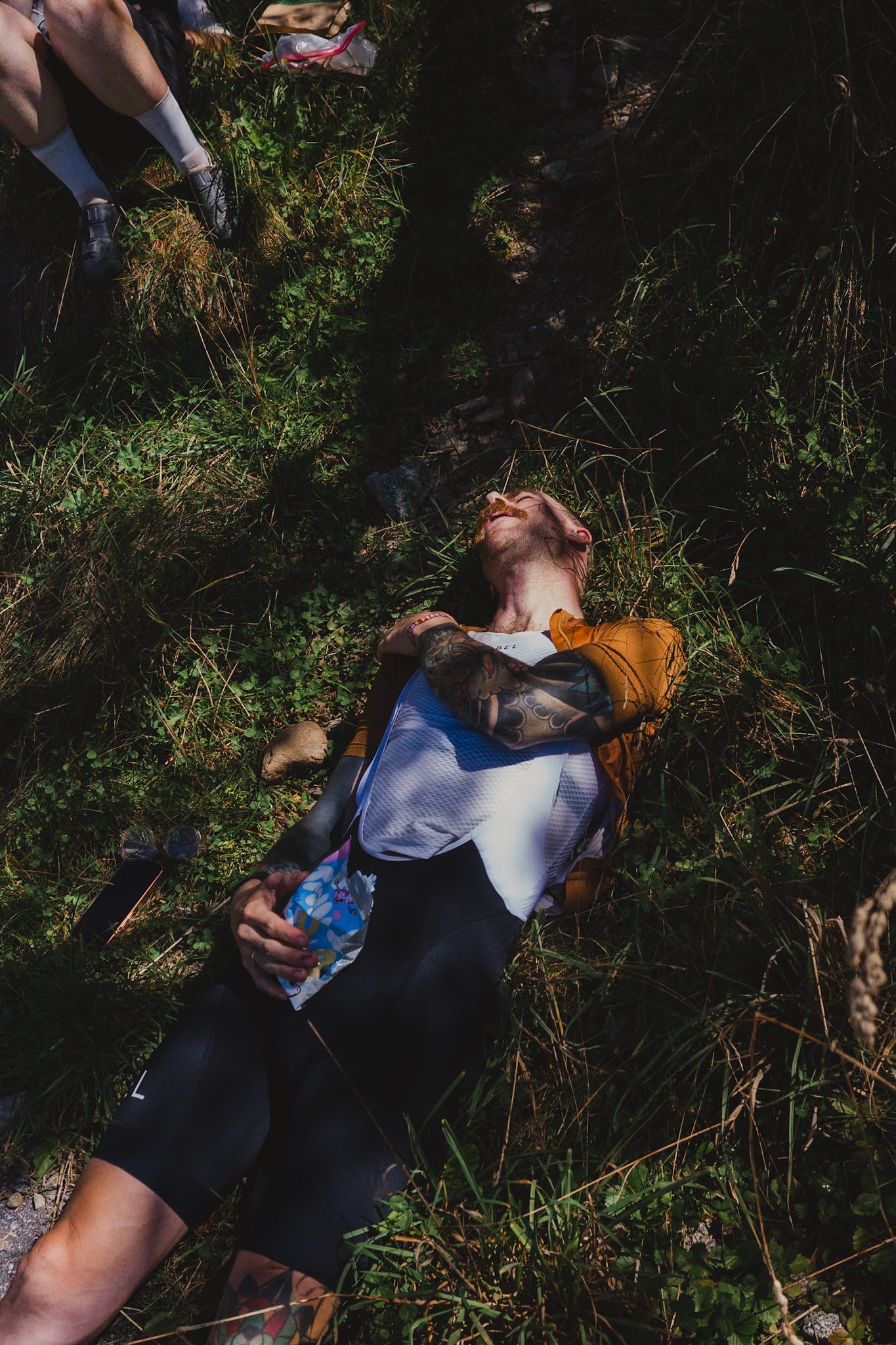
Then I started doing ultras, and there it was again: the same held breath, except this time I'd earned it.
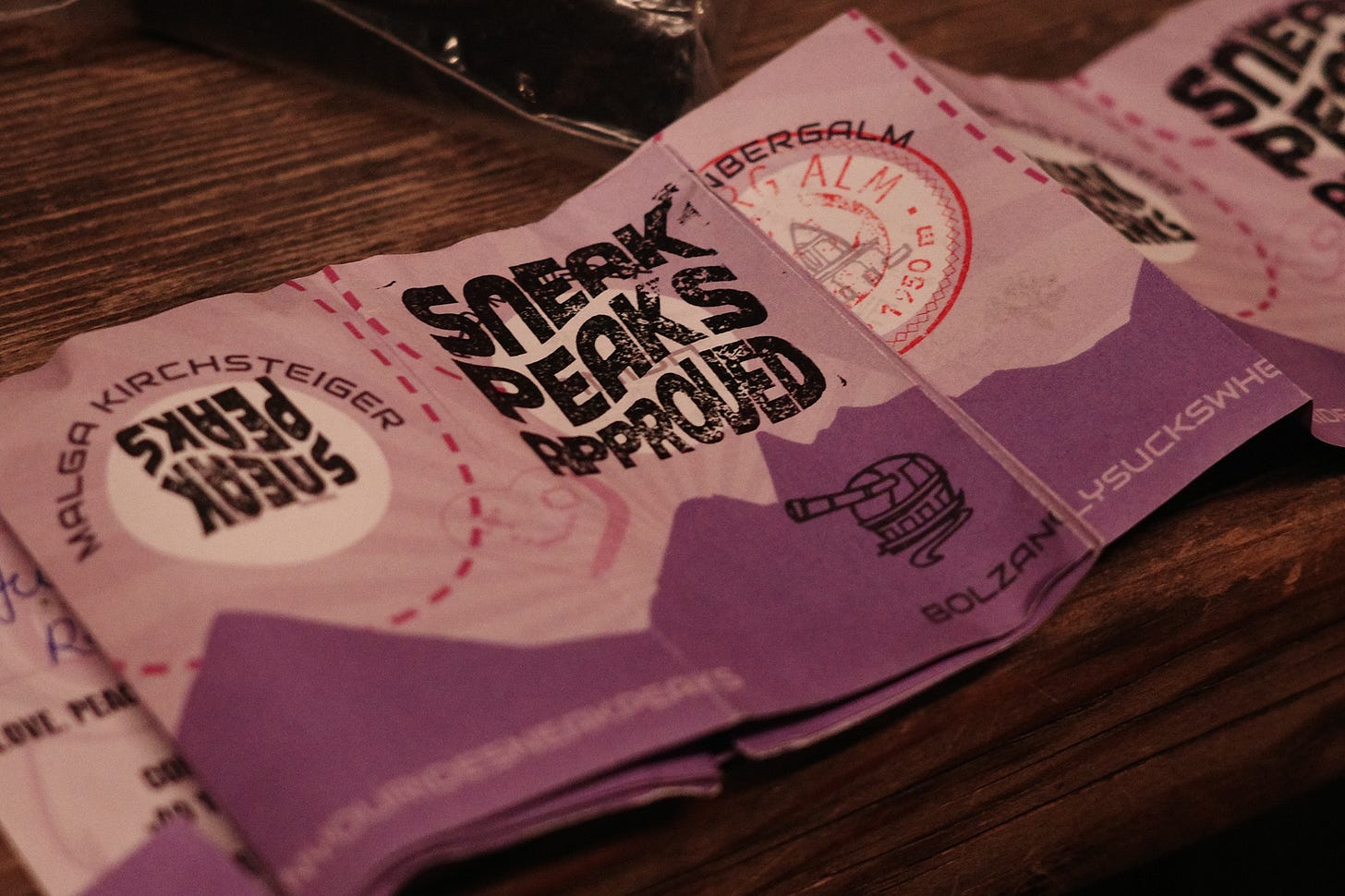
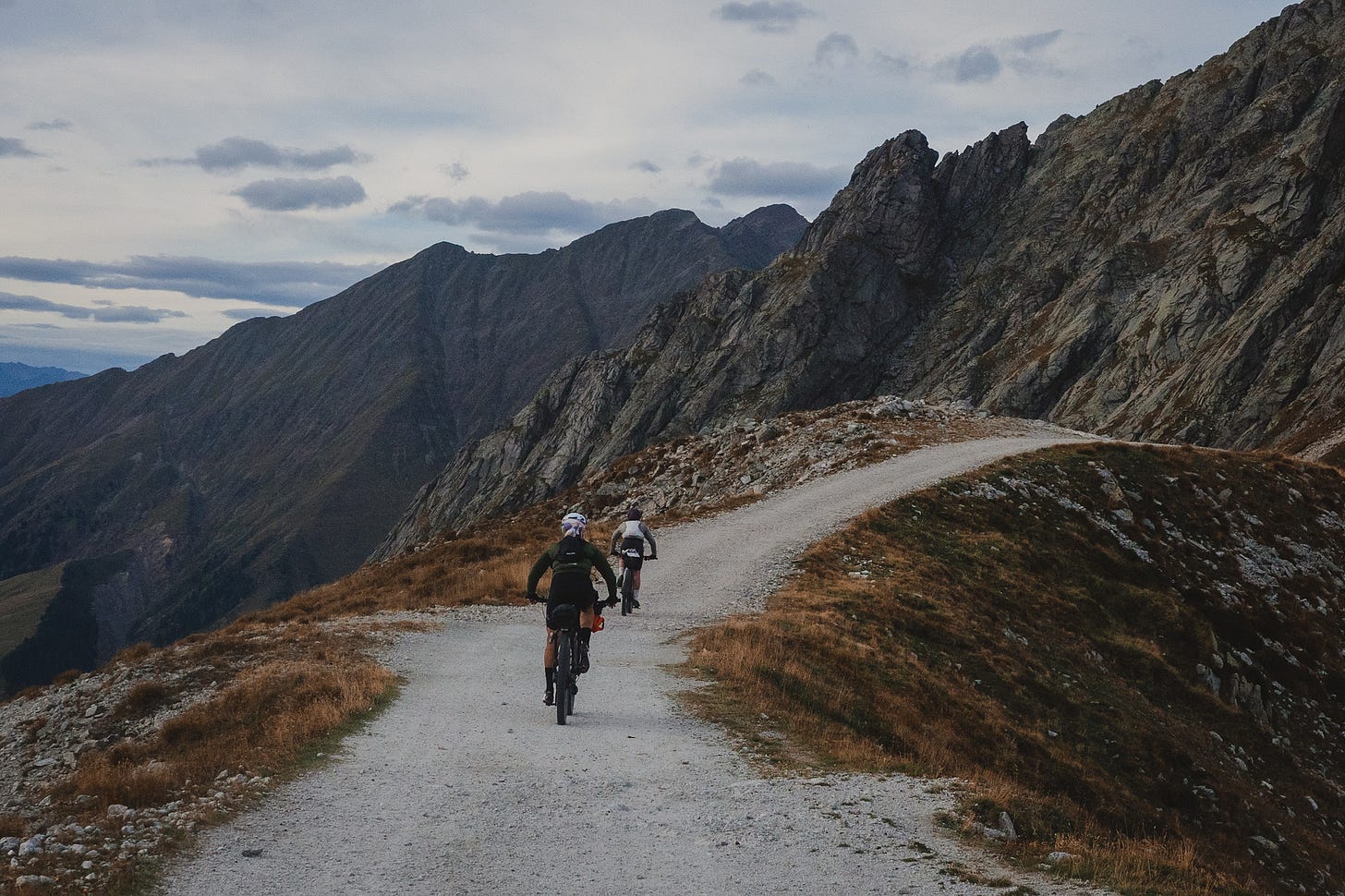
It doesn't happen straight away. On day one of an ultra your watch still owns you. You check the time, the distance, the average speed, all the little dials of normal life. But somewhere on day two the units quietly change underneath you. You stop measuring in hours and start measuring in mountain: distance to the next rifugio, climbs left before dark, whether there's enough food in the frame bag to reach the next open shop. At Sneak Peaks this year I could not have told you it was Tuesday. I'm not sure I could have committed to September. But I could tell you to within about ten minutes how much light was left in the sky, because that was the only clock that governed anything. 9:14 means nothing up there. Two hours of light means everything.
And here's the strange part, the paradox that I think is the actual magic of these events: time stands completely still and disappears at once. The five days felt like one enormous single day, punctuated by naps, the way a long flight is one continuous now. And simultaneously they felt like a month. When I try to place the sunset on the Pfunderer Joch and the minigolf balls pinging in Bolzano in the same week, my brain refuses. They feel like different eras of my life. Both things are true and neither makes sense, and I've been trying to work out why.
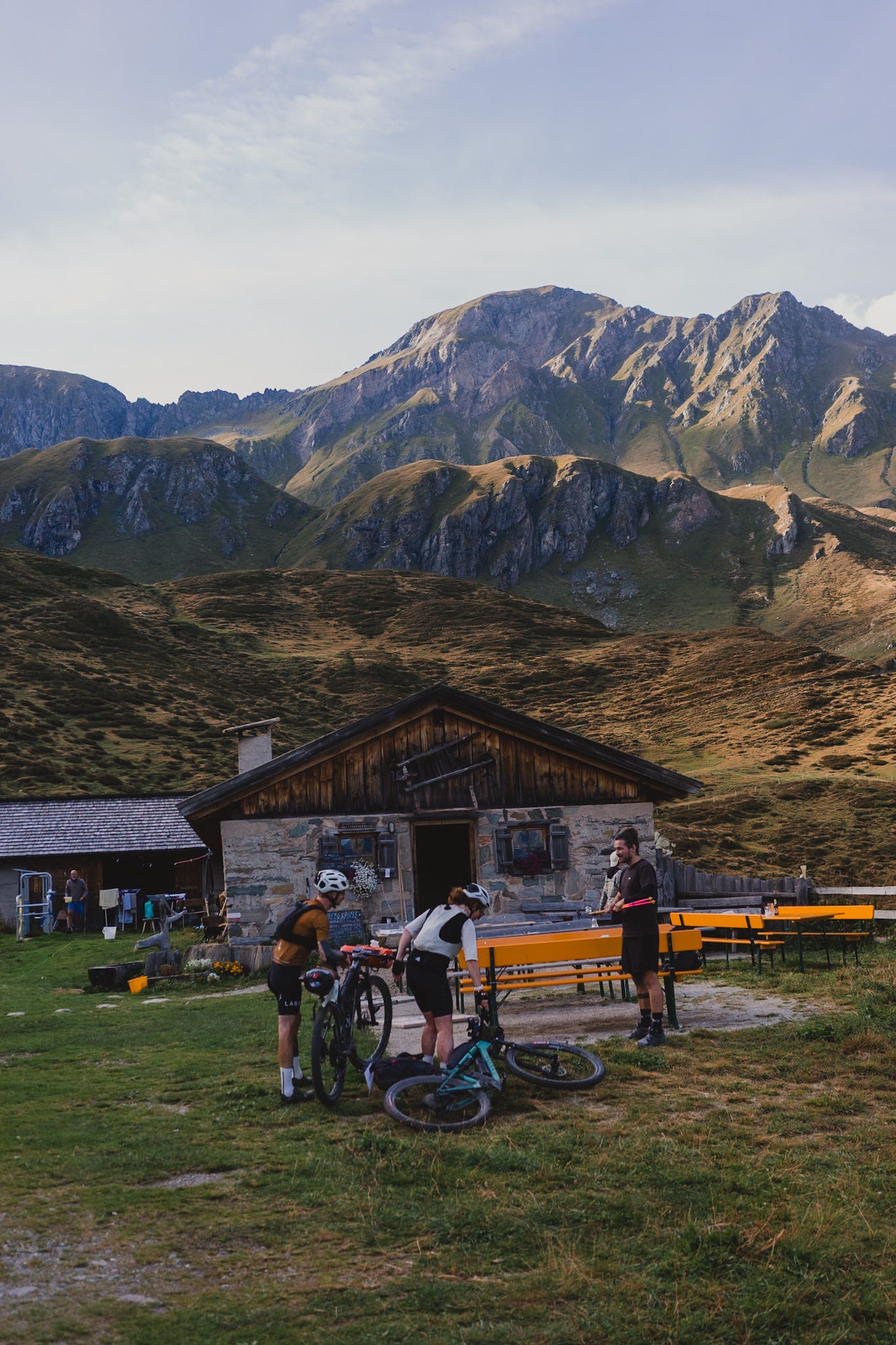
The best answer I've got is attention. In a normal week, time slips past unwatched. The days are so similar and so interrupted that your brain files them as one blurry unit, which is why a whole month of ordinary life can vanish and leave almost no residue. But on an ultra, every hour is full. Every hour has weather in it, and gradients, and decisions, and food, and some small crisis or small joy. Your attention is fully spent on every single one of them, the way it was when you were a kid and summers lasted a decade. Time doesn't actually slow down. You just finally show up for all of it. It turns out that time isn't money. Time is attention, and out there you're paying full whack for every minute, which is exactly why every minute counts.
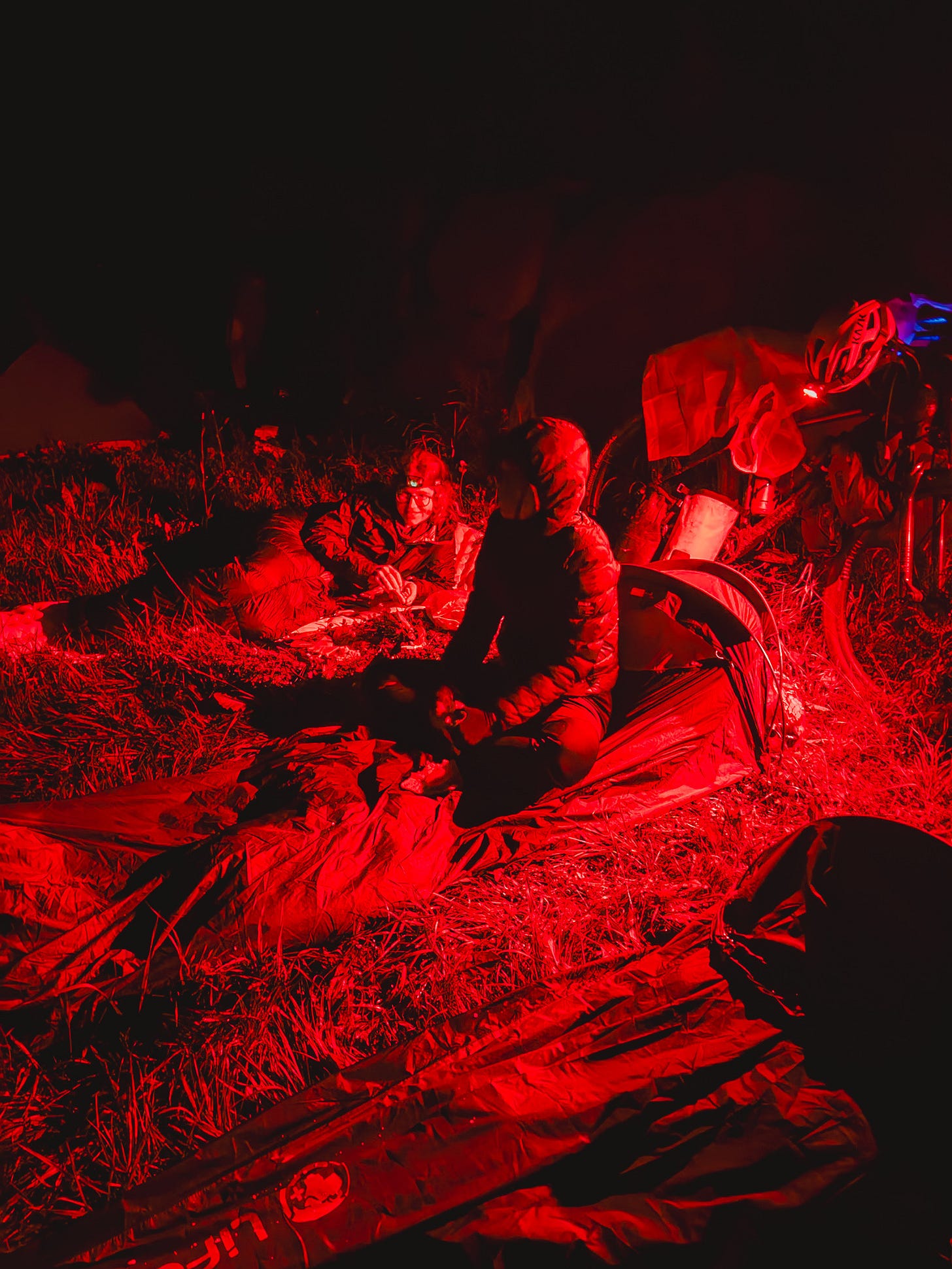
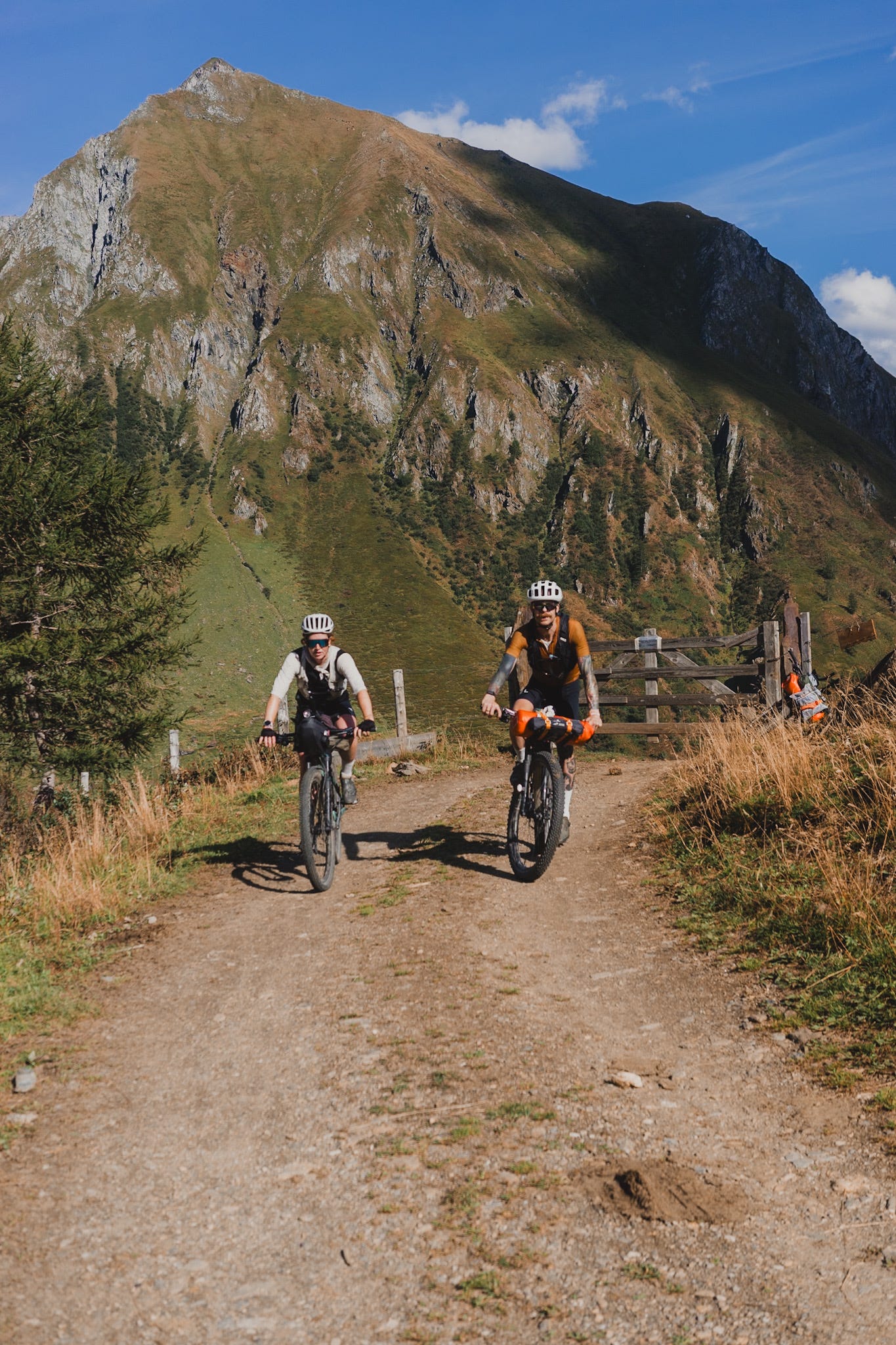
The flight comparison holds in one more way, and then it breaks in the way that matters. Both are capsules. Both take you somewhere your life can't follow: no inbox, no doorbell, no small obligations pecking at you, and, crucially, permission. Nobody expects anything of a person on a plane. Nobody expects anything of a person three days deep in the Dolomites. That permission to be unreachable is so rare now that we apparently need to be either at 11,000 metres or 2,500 metres to get it.
But the flight is dead time. You endure it, slumped, snacking, watching films you'll never remember, waiting for your life to resume. The ultra is the opposite: it's the most alive time I know. Same stillness, same suspended clock, except instead of waiting for your life you're fully inside it, cold and hungry and laughing and completely certain of what matters for the next two hours. A long haul flight steals a day from you. An ultra hands you five that count double. Same capsule, opposite direction.
Then you land. And re-entry is identical, that's how you know the two states are related. The finish line clapping fades, you sleep somewhere soft, and the next morning the clock grabs you by the collar. The phone refills with the world, and you scroll it half-expecting to have missed something enormous, and the quiet punchline is that you haven't. The world got on perfectly fine without your attention. Nothing important happened. Everything important, it turns out, was happening on a hillside with no signal, where you couldn't have named the day of the week.
A few weeks on, that's the thing I find myself missing. Not the passes, exactly, not even the views. The time. That thick, slow, fully-attended time that only seems to exist in the gap, between take-off and landing, between the start line and Bolzano. You can't buy it, which these days is how you know something's valuable. You can only go where the clock doesn't work.
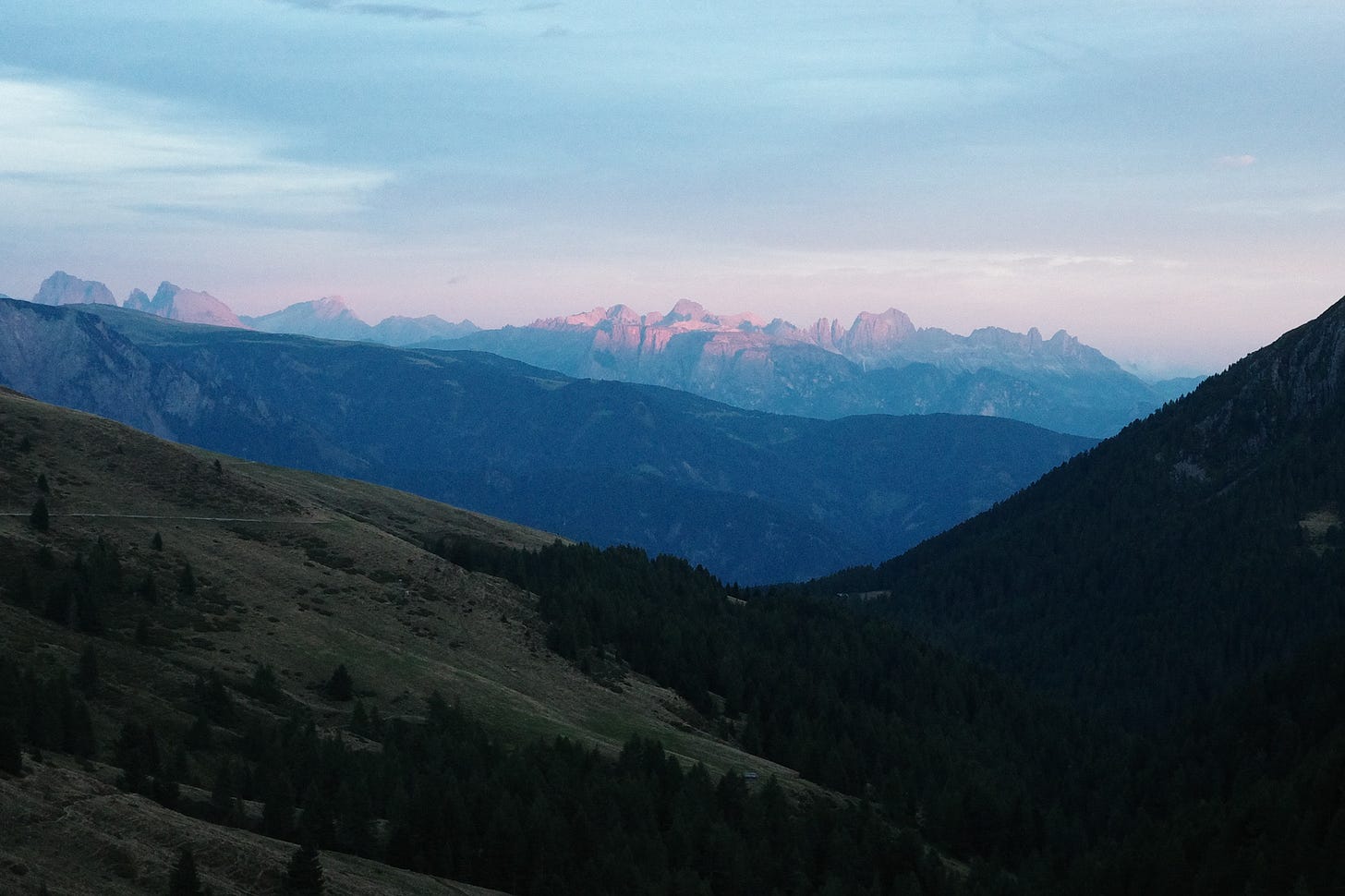
I can't recommend the middle seat. The mountains, though. The mountains I can recommend.